A place to come back to yourselfYou hold so much.
There’s room for
you here.
Therapy for women navigating anxiety, relationship patterns, and the lasting impact of childhood trauma.
St. Petersburg, Florida · Online in FL, NY, NJ & TX
English & Spanish
 A DIFFERENT WAY FORWARD
RELATIONAL TRAUMA THERAPY / NARM / BILINGUAL CARE
Trauma therapy in St. Petersburg & online
A life that feels
more like your own.
Perhaps you’re the person everyone relies on. You keep going, anticipate what others need, and make things work. Yet inside, you may feel anxious, disconnected, or unsure of what you want.
Our work makes space to understand those patterns with curiosity and compassion. Together, we explore how you relate to yourself and others—and what becomes possible when your own needs have room, too.
Ways we can work togetherCare for your story.
Space for what comes next.
01 / Therapy & depth workReconnect with yourself.
A collaborative space to explore the emotional and relational patterns that keep you feeling stuck.
- Childhood and relational trauma
- Anxiety, shame, and self-criticism
- People-pleasing, boundaries, and relationships
- Immigration, life transitions and belonging
Explore my approach ↗02 / Immigration evaluationsYour experience, thoughtfully understood.
Spanish-language psychosocial evaluations for adults navigating immigration proceedings, with a compassionate interview process and careful clinical documentation.
- Hardship and VAWA cases
- U visa and T visa cases
- Adult evaluations · Online in FL, NY, NJ & TX
Learn about evaluations ↗
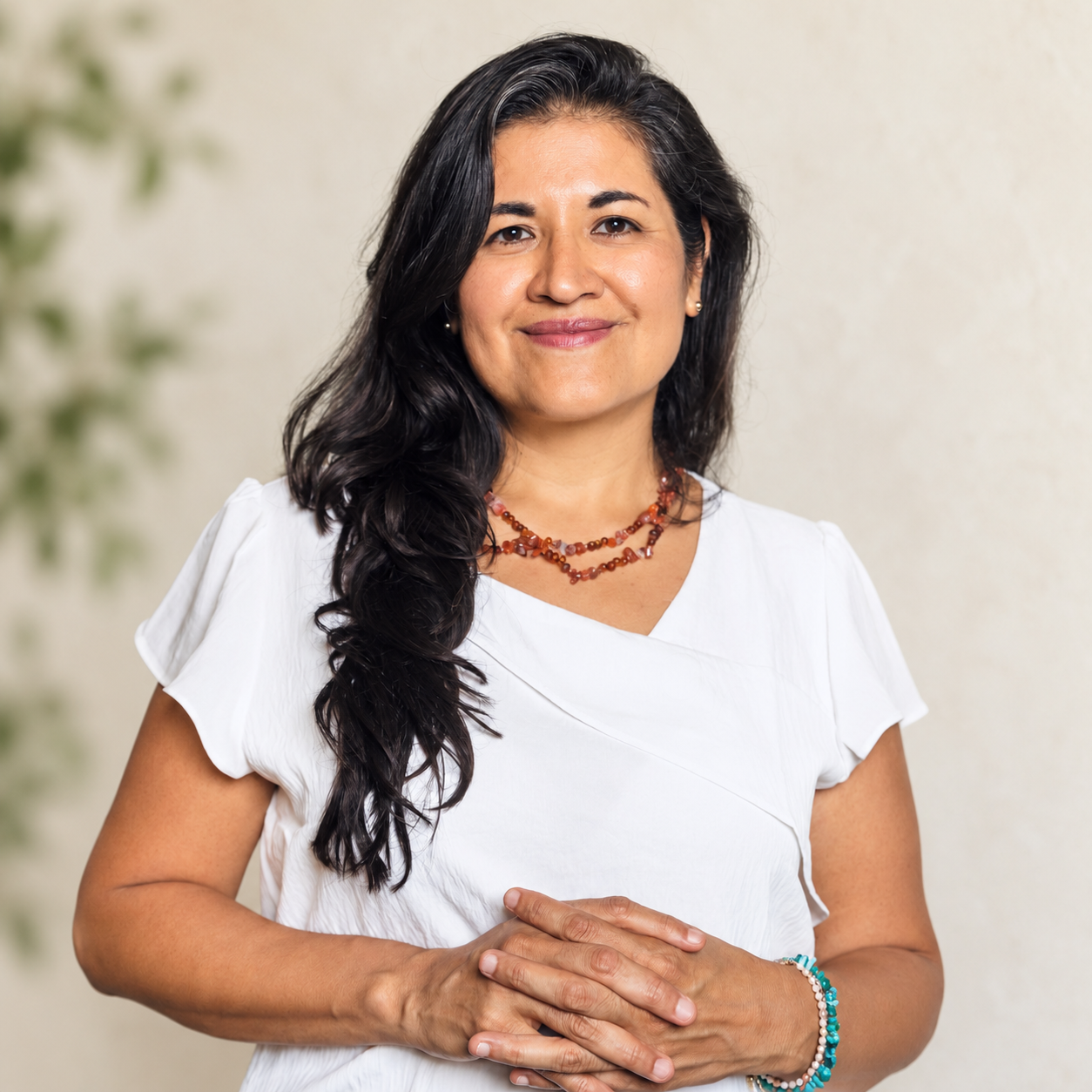
Meet your therapistHi, I’m Ruth.
I’m Ruth Trujillo-Pertew, a bilingual Licensed Clinical Social Worker based in St. Petersburg, Florida. I work with women navigating trauma, anxiety, relationship challenges, and questions of identity and belonging.
My approach is grounded in the NeuroAffective Relational Model (NARM), with attention to emotions, the body, and the ways early relationships shape our present experience. We work at a pace that allows room for choice and connection.
As an immigrant from El Salvador, I bring personal understanding of the complexity of leaving, adapting, and finding a sense of home.
LCSW · NARM Master Practitioner
MSW, Stony Brook University · English & Spanish
Let’s see if we’re a good fit ↗
For individuals & immigration attorneysImmigration
psychosocial
evaluations.
I provide evaluations for Spanish-speaking adults, drawing on my clinical experience with trauma and the emotional impact of migration, abuse, and separation.
An evaluation is a focused assessment for a written clinical report, distinct from ongoing therapy. Contact me to discuss the case, appointment options, fees, and current turnaround times.
Ask about an evaluation ↗ Begin with an inquiryShare the type of evaluation needed and any important deadlines. Please keep sensitive case details out of your initial email.
Prepare for the interviewWe discuss the process, consent, fees, and any relevant documents before scheduling.
Tell your storyThe interview explores your history, experiences, current concerns, and emotional wellbeing, with assessment tools as appropriate.
A carefully prepared reportThe report brings together your account, clinical observations, and assessment findings. Attorney coordination occurs with your authorization.
From my SubstackLife Gets Lifey.
Reflections on what we carry, the patterns we live, and the ways we come back to ourselves.
I write about identity, belonging, grief, and the unfolding work of being human. These essays offer another way to get to know my voice, beyond the therapy room.
Essays are published on Substack in English.
Before we begin.
Where do you see therapy clients?
I offer online therapy to clients located in Florida, New York, New Jersey, and Texas, and in-person appointments in St. Petersburg, Florida.
What is a consultation like?
A free 15-minute phone consultation is an opportunity to share what you’re looking for, ask questions, and explore whether working together feels like a good fit.
What are your fees and insurance options?
Please contact me to confirm current therapy fees, insurance participation, and availability. Immigration evaluations have separate fees, which we discuss before scheduling.
Do you work in Spanish?
Yes. I speak English and Spanish, and offer Spanish-language immigration evaluations for adults.
How can attorneys make a referral?
Email ruth@thesoulfilledpath.com or call (516) 974-8808 to discuss evaluation needs and availability. Please avoid sending confidential documents until we have arranged an appropriate way to share them.